Discover Complete Auto Repair Options to Keep Your Vehicle Running Smoothly
Preserving a vehicle's performance requires a preventive approach to auto repair. Routine maintenance is essential to identify issues before they intensify. Understanding common services, such as oil changes and brake inspections, can assist in this process. Moreover, choosing a reputable repair shop can make a substantial difference. Examining these solutions can reveal how to keep a vehicle in peak condition, but the particulars of effective maintenance strategies may surprise many owners.
Significance of Regular Maintenance
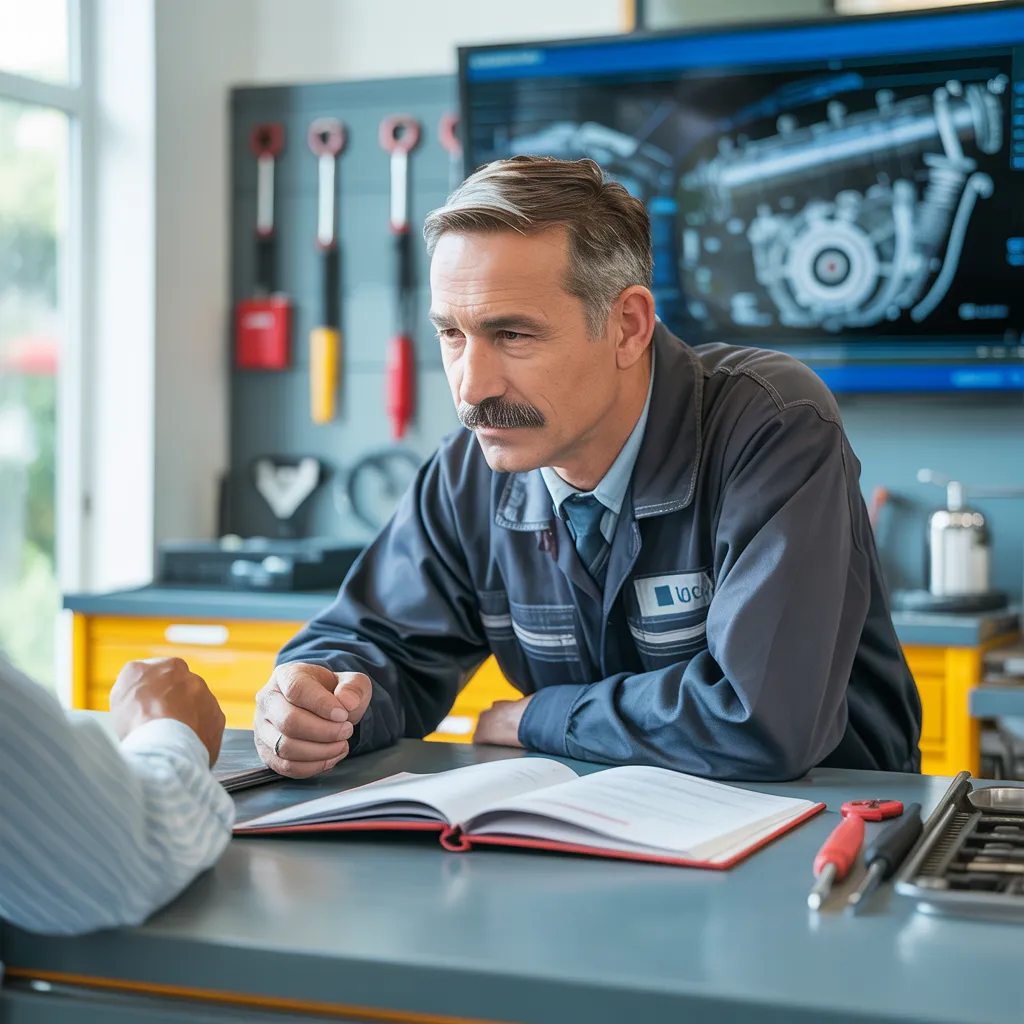
While many vehicle owners may overlook routine upkeep, the importance of regular maintenance cannot be overstated. Consistent upkeep functions as a preventive strategy for vehicle care, significantly prolonging an automobile's longevity and improving its functionality. It helps identify potential issues before they escalate into costly repairs. Furthermore, routine checks can improve fuel efficiency, ensuring that the vehicle operates at its ideal level. Safety remains another crucial consideration; regularly serviced vehicles are less inclined to face failures or accidents triggered by mechanical problems. Furthermore, following a servicing timeline frequently maintains warranty validity, offering monetary security for proprietors. In the end, consistent upkeep is not simply a suggestion but an essential obligation that immediately impacts an automobile's dependability, security, and total worth.
Regular Automotive Fix Services
Standard auto repair services comprise essential routine maintenance and critical brake system repairs. These services make certain vehicles function safely and efficiently, addressing wear and tear that can build up over time. Understanding these services helps vehicle owners make informed decisions regarding their automotive needs.
Standard Maintenance Services
Regular maintenance services are crucial for protecting a vehicle's durability and functionality. These procedures commonly consist of oil changes, fluid evaluations, tire rotations, and filter renewals. Regular oil changes help maintain engine health, while verifying fluid levels secures optimal functioning of all systems. Tire rotations promote even wear, prolonging tire durability and improving safety. In addition, replacing air and cabin filters contributes to improved air quality and engine efficiency. By maintaining a consistent maintenance schedule, automobile owners can discover possible issues at early stages, reducing the likelihood of costly repairs. All in all, these fundamental services maintain a vehicle's dependability and performance, supplying security to drivers and fostering an enhanced driving experience.
Brake System Maintenance and Repairs
Brake system repairs are crucial for ensuring automotive safety and functionality. This essential element of auto maintenance involves several components, including brake pads, rotors, calipers, and brake fluid. Periodic examinations can identify damage, which, if ignored, may cause diminished stopping power and elevated risk of accidents. Typical repair work involve replacing damaged brake pads, refinishing or changing rotors, and changing brake fluid to sustain hydraulic efficiency. Technicians utilize assessment equipment to evaluate the full braking system, guaranteeing all parts function effectively. Regular brake system repairs do more than boost safety while also improving extend general vehicle durability, making them an important part of comprehensive vehicle maintenance services. Drivers should focus on these services to ensure consistent functionality.
Comprehending Engine Diagnostics
Engine diagnostics play an essential role in detecting problems within a vehicle's engine, providing superior performance and long-term reliability. Mechanics regularly employ diagnostic tools to retrieve and interpret error codes issued from the vehicle's onboard computer system. Comprehending these codes is essential to effective troubleshooting and applying proper fix procedures.
Significance of Engine Diagnostics
While many vehicle owners may overlook the significance of engine diagnostics, grasping this vital component of automotive service can prevent costly repairs and improve vehicle performance. Engine diagnostics involves thoroughly analyzing a vehicle's engine systems to identify potential issues before they worsen. Timely diagnostics can reveal problems such as ignition issues, poor fuel economy, and emission problems, which, if left untreated, may bring about substantial harm and costly fixes. Moreover, regular diagnostics help preserve maximum engine functionality, enhancing fuel efficiency and extending the vehicle's lifespan. By focusing on engine diagnostic testing, vehicle owners can guarantee their automobiles run efficiently, decrease the probability of failures, and ultimately preserve financial resources eventually. Allocating resources to this service is a proactive approach to vehicle upkeep.
Typical Diagnostic Instruments
Successful engine diagnostics depend on a variety of common diagnostic tools that aid mechanics in identifying and fixing vehicle issues. One vital tool is the OBD-II scanner, which connects to the vehicle's onboard diagnostics system, allowing technicians to retrieve trouble codes and monitor engine performance. Additionally, multimeters are essential for measuring electrical signals, helping diagnose issues related to sensors and wiring. Compression testers examine the engine's internal health by measuring cylinder pressure, while timing lights ensure that spark practical resource timing is properly aligned. Vacuum gauges can expose manifold pressure issues, indicating potential leaks or blockages. Combined, these tools provide an extensive understanding of engine condition, enabling effective repairs and maintenance for maximum vehicle performance.
Understanding Fault Codes
What methods do mechanics use to accurately read diagnostic codes for vehicle diagnosis? Decoding these codes demands a combination of technical understanding and the use of specialized diagnostic devices. Mechanics utilize On-Board Diagnostics (OBD-II) systems to retrieve codes that reveal specific problems within the vehicle. Each code corresponds to a specific issue, ranging from engine misfires to sensor failures. Experienced technicians examine these codes in combination with real-time data from the vehicle's performance metrics. This comprehensive approach enables them to pinpoint the root cause of the problem rather than merely addressing symptoms. Additionally, staying updated with manufacturer guidelines and service bulletins enhances their ability to interpret diagnostic codes accurately, ensuring reliable and efficient repairs that keep vehicles running smoothly.
Brake Safety and Services
Maintaining vehicle safety relies heavily on the quality of brake services. Appropriate brake maintenance is vital for preventing accidents and ensuring optimal vehicle operation. Regular inspections can reveal worn pads, damaged rotors, or fluid leaks that may diminish braking performance. Technicians stress the importance of addressing these issues immediately to avoid more severe damage and costly repairs in the future. Additionally, understanding the signs of brake wear, such as grinding noises or reduced responsiveness, can help drivers in seeking timely assistance. Routine brake service not only improves safety but also extends the lifespan of braking components. Finally, a well-maintained brake system is essential for maximum vehicle performance and driver confidence on the road.
Picking the Right Auto Repair Shop
Choosing the right auto repair shop can considerably impact the quality of vehicle maintenance and repairs. It is essential for vehicle owners to consider several factors when making this choice. To begin with, researching the shop's reputation through online reviews and recommendations from friends can provide valuable insights. Moreover, verifying certifications and qualifications of the mechanics ensures that the shop has the necessary expertise. A reliable auto repair shop should also offer transparent communication regarding services and repairs, allowing customers to make informed decisions. Additionally, a tidy and well-maintained facility often reflects the professionalism and commitment of the technicians. Ultimately, choosing a reputable auto repair shop can lead to lasting vehicle health and increased safety on the road.
Affordable Solutions for Car Maintenance
Although vehicle maintenance can at times seem costly, there are several affordable solutions that can help owners manage their expenses without sacrificing quality. Regular preventive maintenance, such as oil changes and tire rotations, can increase a vehicle's lifespan and decrease the likelihood of expensive repairs. Utilizing DIY techniques for minor repairs or routine checks can also conserve money, while staying informed about recalls and warranty services ensures that owners take advantage of manufacturer support. Furthermore, shopping around for competitive auto repair rates and seeking out local mechanics can generate significant savings. By prioritizing maintenance and adopting a proactive approach, vehicle owners can keep their cars in excellent condition without exceeding their budget.
Your Questions Answered
How Frequently Should I Change My Oil?
As a rule, it is advised to change oil every 3,000-5,000 miles, according to the vehicle and oil type. Routine maintenance provides maximum engine performance and longevity, preventing potential issues and encouraging smoother operation.
What Are the Symptoms of a Failing Transmission?
Symptoms of transmission problems include slipping between gears, abnormal noises, fluid leaks, warning lights, slow gear changes, or a burning smell. Prompt attention to these indicators can stop further damage and ensure vehicle safety and dependability.
Is Self-Performing Vehicle Maintenance an Option?
Yes, people can handle their own vehicle maintenance if they have the appropriate tools, knowledge, and skills. However, they need to make certain they comply with safety protocols and manufacturer guidelines to avoid potential errors or safety dangers.
What Should I Do if My Check Engine Light Turns On?
When the check engine light appears, you should first look for loose or improperly fitted gas caps, then make use of an OBD-II scanner to determine the cause, and seek advice from a professional mechanic if essential for additional assessment.
How Can Weather Conditions Impact Your Vehicle's Performance?
Atmospheric conditions significantly alter vehicle performance. For example, severe temperatures can compromise battery efficiency, while precipitation can decrease traction and expand stopping distances, calling for adjustments in vehicle operation and vehicle maintenance practices for safety.
Comments on “Complete Auto Repair Services in Reading PA for Transmission”